
Nourishing the Family Through Winter
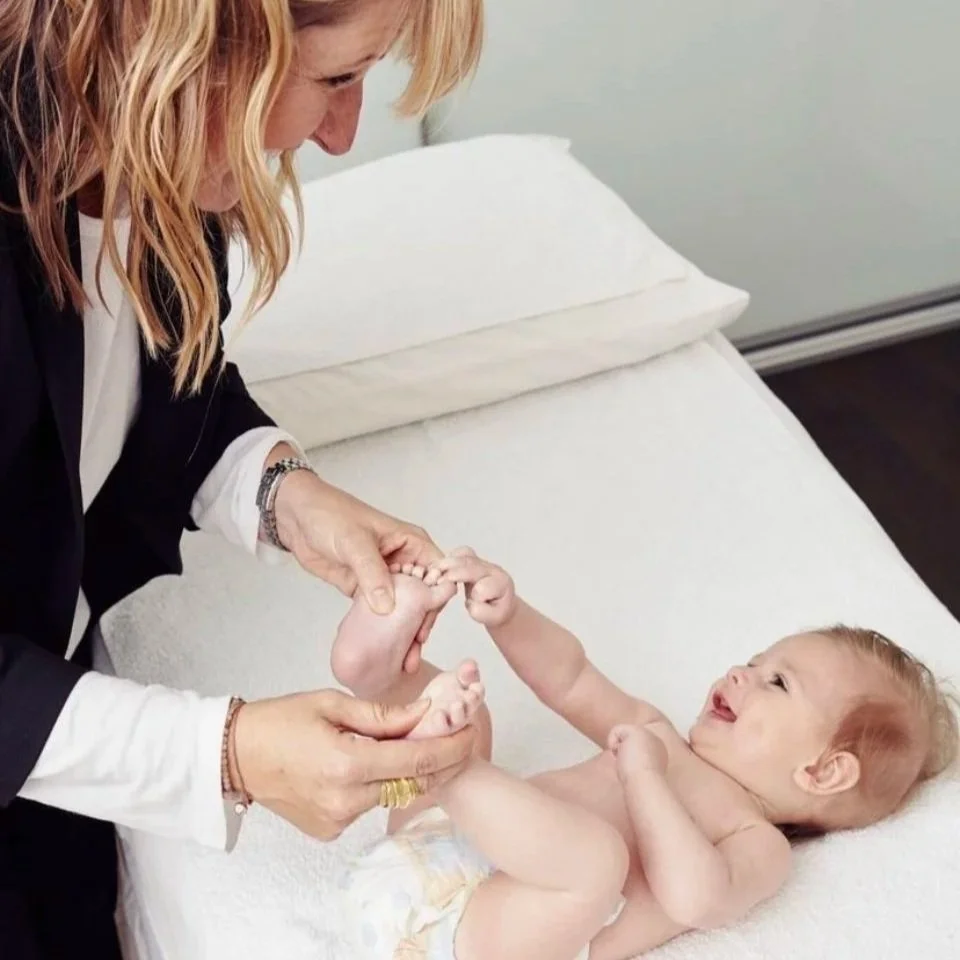
Non - Invasive Acupuncture for Baby’s
Winter changes the rhythm of a family.
One of the most overlooked parts of health is how deeply connected a family can be.
The mornings are darker, the air is colder, school and daycare illnesses begin to circulate, sporting commitments continue, and the pace of family life rarely slows simply because the body is asking for more rest. One child starts coughing, another is waking through the night, a teenager is exhausted, and before long the whole household feels the shift.
This is often how family health presents. Not as one isolated symptom in one isolated person, but as a rhythm moving through the home.
At Beattie Street Health, nourishing the family begins with the understanding that health is not only about responding when someone becomes unwell. It is also about noticing the quieter signs that the body may be working harder than usual.
A baby who is more unsettled. A child whose sleep has changed. A teenager who is tired, tense or overwhelmed. A parent who is holding the needs of everyone else.
Winter can bring these patterns closer to the surface.
Children Are Not Small Adults
One of the beautiful principles within Chinese and Japanese medicine is the understanding that children require a different approach to care.
Their bodies are growing quickly. Their nervous systems are developing. Their digestion, sleep, emotions and immune responses are constantly adapting to the world around them. A new school term, a growth spurt, disrupted sleep, a run of winter illness, family change or simply doing too much can be reflected in how a child feels and behaves.
For Melinda Webb, caring for babies, children and families has been woven through more than two decades of her professional life. A Dr Chinese Medicine, acupuncturist and herbalist, former doula and antenatal educator, Melinda has long worked with women through pregnancy, birth and the postnatal years, and with the babies and children who grow alongside them.
One of the gentlest approaches she brings into this work is Shonishin.
A Different Kind of Acupuncture
Shonishin is a Japanese style of paediatric acupuncture that does not require needles to penetrate the skin.
Instead, small specialised instruments are used to gently stroke, tap, press, rub or brush the surface of the body. Treatment is typically brief and carefully adjusted according to the child’s age, sensitivity, constitution and individual needs.
For parents who hear the word acupuncture and immediately think, “My child would never sit still for needles,” Shonishin offers a very different experience.
A baby may be held by a parent. A toddler may move around. A young child does not need to lie perfectly still. The treatment meets the child where they are.
Melinda trained in Shonishin with Thomas Wernicke, paediatrician, Shonishin practitioner and author of Shonishin: The Art of Non-Invasive Paediatric Acupuncture. His work has helped bring greater understanding to this specialised Japanese approach, with particular attention to the developmental stage, sensitivity and individual needs of the child.
For Melinda, this training sits naturally alongside her foundation in Traditional Chinese Medicine and her many years of working with babies, children and families.
When a Child Is Not Quite Themselves
Parents often notice changes before they have language for them.
A baby becomes harder to settle. Reflux seems worse at night. Colic leaves the whole household exhausted. A toddler becomes constipated. A child begins waking frequently or starts wetting the bed again. Another seems to move from one cough or cold to the next.
For older children and teenagers, the signs can look different. Fatigue, headaches, digestive discomfort, anxiety, tension, disrupted sleep, emotional overwhelm or simply the sense that they are running on empty.
Families may seek Shonishin and Chinese medicine support for patterns around:
reflux and colic
constipation and digestive discomfort
sleep and settling
bedwetting
appetite changes
restlessness and irritability
recurrent cough patterns
allergies and seasonal health
fatigue and low energy
stress, anxiety and emotional overwhelm
The aim is not to fit every child into the same treatment. It is to understand the individual child in front of us: their age, their constitution, their sensitivity, their sleep, their digestion, their energy and what has changed.
The Family Is a Living System
When a baby does not sleep, the parents do not sleep. When one child is repeatedly unwell, work schedules change, siblings are affected and the household reorganises itself around care. When a teenager is exhausted or overwhelmed, that strain can move quietly through the family. When a parent is depleted, there is often less capacity for everything else.
The wellbeing of one person influences the rhythm of the whole home.
This is why nourishing the family is about more than treating symptoms.
It can begin with warm food on a cold evening. An earlier bedtime. A slower weekend. Time outside in the winter sun. Less rushing between commitments. A pot of soup that feeds everyone for two days. Noticing when a child needs rest rather than another activity.
These things sound simple, but simple does not mean insignificant.
In Chinese medicine, winter is traditionally understood as a season of conservation. A time to protect warmth, nourish reserves and recognise that the body may need a different rhythm from the outward energy of warmer months.
Modern family life does not always make space for that rhythm, but the body still notices.
Caring for the Family, One Person at a Time
At Beattie Street Health, family care looks different for every household.
A newborn may receive the lightest and briefest Shonishin treatment. A baby may come in during a period of reflux, colic or unsettled sleep. A toddler may need support around constipation, digestion or restlessness. A school-aged child may be struggling with sleep, bedwetting, recurrent illness or anxiety. A teenager may arrive exhausted from school, sport and a nervous system that rarely feels switched off.
A mother or father may realise that they, too, need care after months or years of looking after everyone else.
There is no single version of a healthy family. There is, however, enormous value in noticing what each person needs, how the household is functioning together and where additional support may make a meaningful difference.
This winter, nourishing the family is not about doing more. It is about noticing more. Who is tired? Who is not sleeping? Who is rushing? Who is holding tension? Who has lost their appetite? Who is repeatedly getting sick? Who is carrying everyone else?
The question becomes simple:
What does this family need right now?
At Beattie Street Health, Melinda works with newborns, infants, children, teenagers and parents, drawing on Traditional Chinese Medicine, acupuncture and gentle Japanese Shonishin techniques to provide individual, age-appropriate care.
Book with Melinda
