Chinese Medicine Dietary Advice
Magnesium is one of those “bridge” nutrients between Western physiology and Chinese medicine: it calms the nervous system, supports hormone balance, digestion, sleep, and heart health. As such, it is relevant for almost every wellness journey. It’s also one of the most common modern deficiencies, especially in people under chronic stress.
What Is Magnesium & Why It Matters
Magnesium is an essential mineral involved in over 300 processes in the body, including energy production, nerve signalling, muscle relaxation, blood sugar balance and bone strength. Modern lifestyles—chronic stress, caffeine, alcohol, processed foods and depleted soils—mean many people are not getting enough, even with a “healthy” diet.
Lower Magnesium levels can show up in the body as:
Muscle cramps and tension
Constipation or sluggish digestion
Headaches and migraines
Anxiety, feeling “wired and tired”
Poor sleep
PMS
Heart palpitations
Blood sugar swings
Magnesium Through a TCM Lens
If we look at magnesium through a holistic lens, it becomes less about “fixing symptoms” and more about restoring a sense of ease and flow in the body. In traditional Chinese medicine, its actions can be understood as soothing Liver qi by unwinding physical and emotional tension, which smooths the Liver’s flow of qi and eases stress, irritability and headaches. At the same time, magnesium nourishes Kidney yin and jing by supporting cellular energy and repair, resonating with the deep reserves of yin and essence that underpin resilience, reproduction and longevity. It also helps to settle Heart shen through its calming effect on the nervous system, gently supporting those who experience anxiety, insomnia or palpitations and inviting the spirit to rest more deeply.
Types of Magnesium in Everyday Language
There are many forms of Magnesium; the “partner” molecule changes how it behaves in the body. You don’t need a chemistry degree—just a few basics:
Magnesium Glycinate
Gentle, well absorbed and calming. Commonly used for stress, anxiety, PMS and sleep support. Think: soothing Liver qi, nourishing yin and settling Heart shen.
Magnesium Citrate
Well absorbed with a mild laxative effect. Helpful for constipation and people who feel “stuck” both physically and emotionally. Think: moving qi and relieving stagnation in the bowels.
Magnesium Malate
Often used for muscle pain, fibromyalgia and fatigue. It supports energy and relieves tight, sore muscles. Think: relaxing the sinews governed by the Liver while gently supporting Spleen/Kidney yang.
Magnesium Taurate or L‑threonate
More specialised form, often used for cardiovascular and cognitive support (heart rhythm, blood pressure, memory, mood). Think: supporting Heart qi and blood, and clarifying the shen.
Magnesium Sulfate (Epsom Salts) Used topically, in baths or soaks this form is used for muscle relaxation, fibromyalgia and nervous system support. Helpful for those with chronic pain and acute injury repair. Think: relaxing the muscles and tendons by relieving qi and blood stagnation.
Reasons You Might Use Magnesium
You might reach for Magnesium when you notice yourself feeling emotionally reactive, when your shoulders, jaw or back tighten under stress, or when you experience cramping—whether menstrual, muscular or during exercise. It can also be helpful if you’re dealing with constipation or irregular bowel habits, feeling restless at night or struggling to “switch off”, having headaches, or PMS symptoms.
For women trying to conceive, Magnesium plays a key role in the communication between the brain and ovaries. It supports healthy ovulation and menstrual rhythm, while its calming effect on cortisol creates a more receptive internal environment for conception. Magnesium aids blood sugar balance and reduces inflammation, both of which are important in conditions like PCOS and Endometrios that can affect fertility. It is also important for male fertility health due to its antioxidant properties and ability to support healthy sperm production and protection.
Food First, Then Supplements
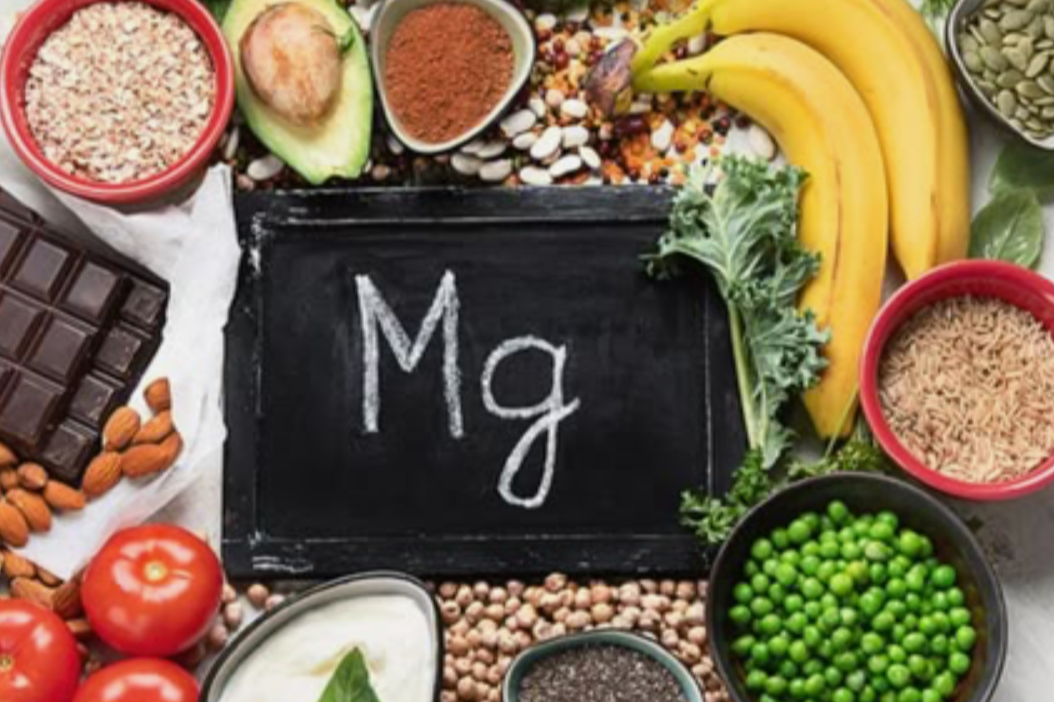
As always, food is the foundation. Magnesium-rich foods include:
Nuts and seeds (almonds, cashews, pumpkin seeds, sunflower seeds)
Legumes (lentils, chickpeas, black beans)
Whole grains (brown rice, oats, quinoa)
Dark leafy greens, avocados and even good-quality dark chocolate
These foods tend to nourish Spleen qi and Liver blood while supporting yin, which makes them beautiful allies in most TCM-informed wellness plans.
Supplements are a second layer. Many adults do well on a gentle daily dose of a well-absorbed form (often glycinate or citrate), chosen according to their symptoms and constitution. Loose stools are a sign to reduce the dose or switch to a less laxative form.
If you’ve recognised yourself in any of these patterns—tension, restlessness, cramps, or that sense of being a little “wired and tired”—consider this an invitation to start with one simple step. You might add a handful of magnesium-rich foods to your day, experiment with an evening Epsom salt bath. If you’d like support translating this into your unique constitution and season of life, book a session. Together we can weave acupuncture, supplementation and nervous system–supportive practices into a plan that feels nourishing, sustainable and deeply aligned with your body’s own wisdom.
Charlie Foust is a Doctor of Chinese Medicine with a gentle, grounded approach that weaves classical TCM principles with modern, practical care. Available for consultations and treatments at Beattie Street on Wednesdays, Fridays and Saturdays, Charlie offers support for everything from fertility, to stress, pain, sleep and digestive health.